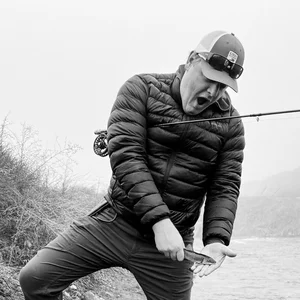
Every street photographer knows the feeling. You step out onto the Prinsengracht or through Dam Square, camera around your neck, hyper-alert, reacting to every bicycle bell, every patch of light, every interesting jacket. Two hours and four hundred frames later, you sit down at Lightroom only to face a gallery of visual noise: technically adequate images that say virtually nothing.
The problem isn’t your gear, your autofocus, or even your composition. The problem is randomness.
When you shoot purely by reaction, you are hunting ghosts. By the time you notice an interesting gesture, register it, and raise the camera, it has already happened. Most street photographers wander as passive observers waiting for an elusive "decisive moment" to happen to them.
If you want your work to evolve from casual snapshots into compelling visual essays, borrow a principle from photojournalism and documentary filmmaking: stop waiting, establish an intention, and start gathering visual evidence.
The Documentary Mindset: Preconceived Angle vs. Open Curiosity
A common misconception is that photojournalists spend their lives drifting through cities like romantic flâneurs, waiting for serendipity. They don’t. Even Henri Cartier-Bresson, the godfather of “The Decisive Moment” found interesting scenes, composed, and waited for the action to catch up with him.
In reality, journalists are given assignments. Often, an editor has already dictated the exact "angle" before the photographer even packs a bag. Before arriving on scene, the narrative is largely preconceived:
Angle: Show tired commuters battling Dutch rain.
Angle: Show shopkeepers in the Jordaan bracing for the tourist rush.
Angle: Show the mass of people that showed up to the Red Line protest in Amsterdam.
It works, it works fast, and it creates immediate clarity amidst chaos. You are already making photos in your mind before you step off the tram. This is a fine way to work, but pre-judging a scene can also feel restrictive, narrowing your vision at the expense of being surprised by reality.
There is a richer, more observant way to work: don’t start with an answer; start with a question.
Instead of stating, "I'm going to show how modern technology is alienating people," ask:
"How does technology affect daily life in a 750-year-old city like Amsterdam?"
Instead of deciding, "I'm going to document how hectic Dam Square is," ask:
"What does life look like in the middle of Amsterdam?"
A good question provides all the structural focus of an editorial assignment, while leaving room for genuine discovery.
Three Steps for Your Next Photo Walk
1. Give Your Walk a Working Title and a Central Question
Before you take off your lens cap, establish what you are curious about today. Keep it open, but directional:
Thematic: "What does the morning rhythm look like around Centraal Station?"
Architectural: "How do humans interact with ancient buildings in the world’s most intentional city?"
Psychological: "Where do people look when they think no one is watching?"
(If a structured thesis suits your style better—like "Modern Disconnection" or "Monumental Scale" or “The Solitary Commuter”—run with it. The tool is there to serve your instinct, not bind it.)
2. Hunt for Evidence, Not Just "Interesting Things"
Once you have your question, the street stops being a storm of sensory overload. You no longer need to swivel 360 degrees scanning for "anything cool."
You are now hunting specific visual evidence:
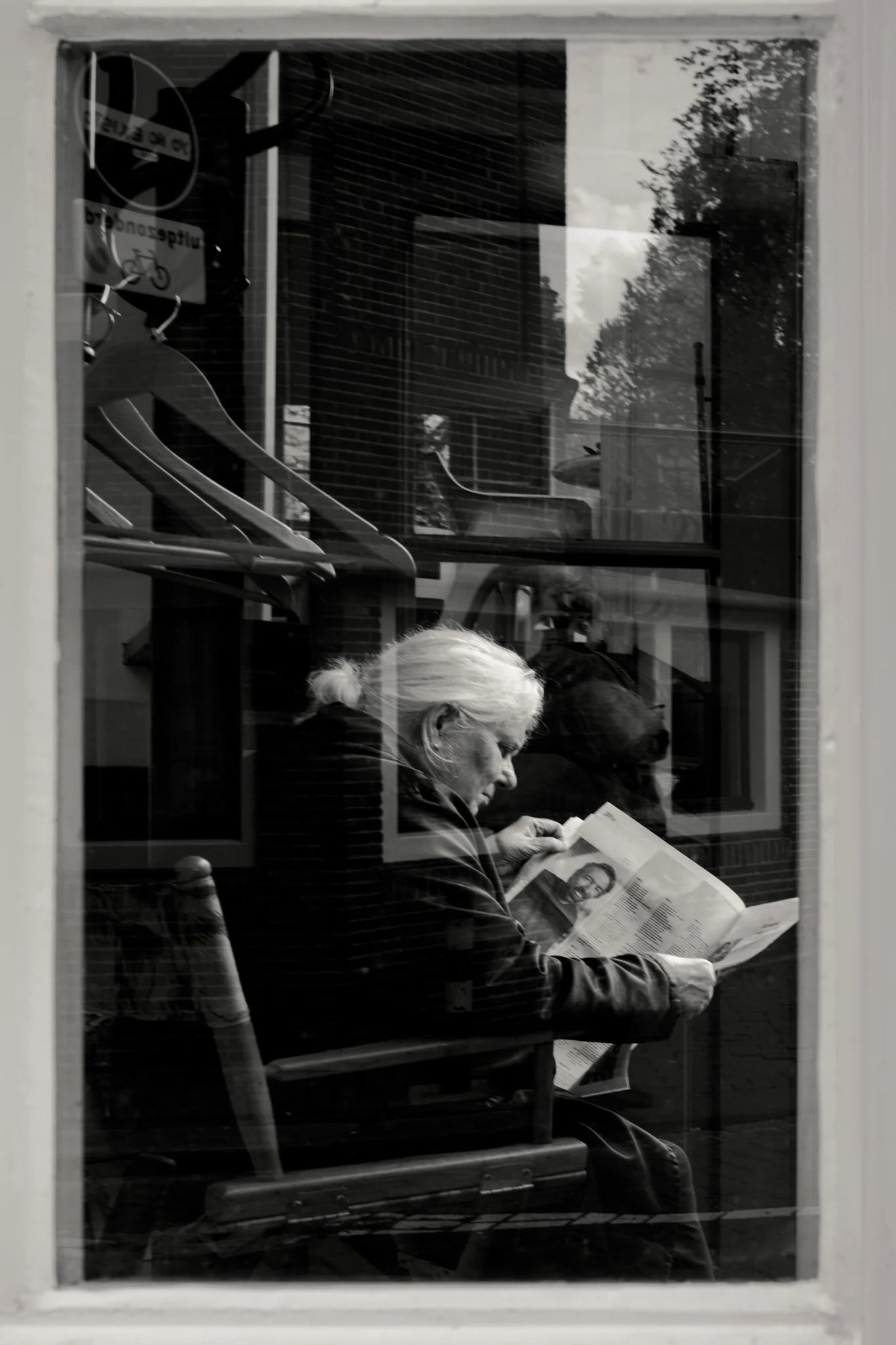
Question: What does preparing for the day look like in Amsterdam shops?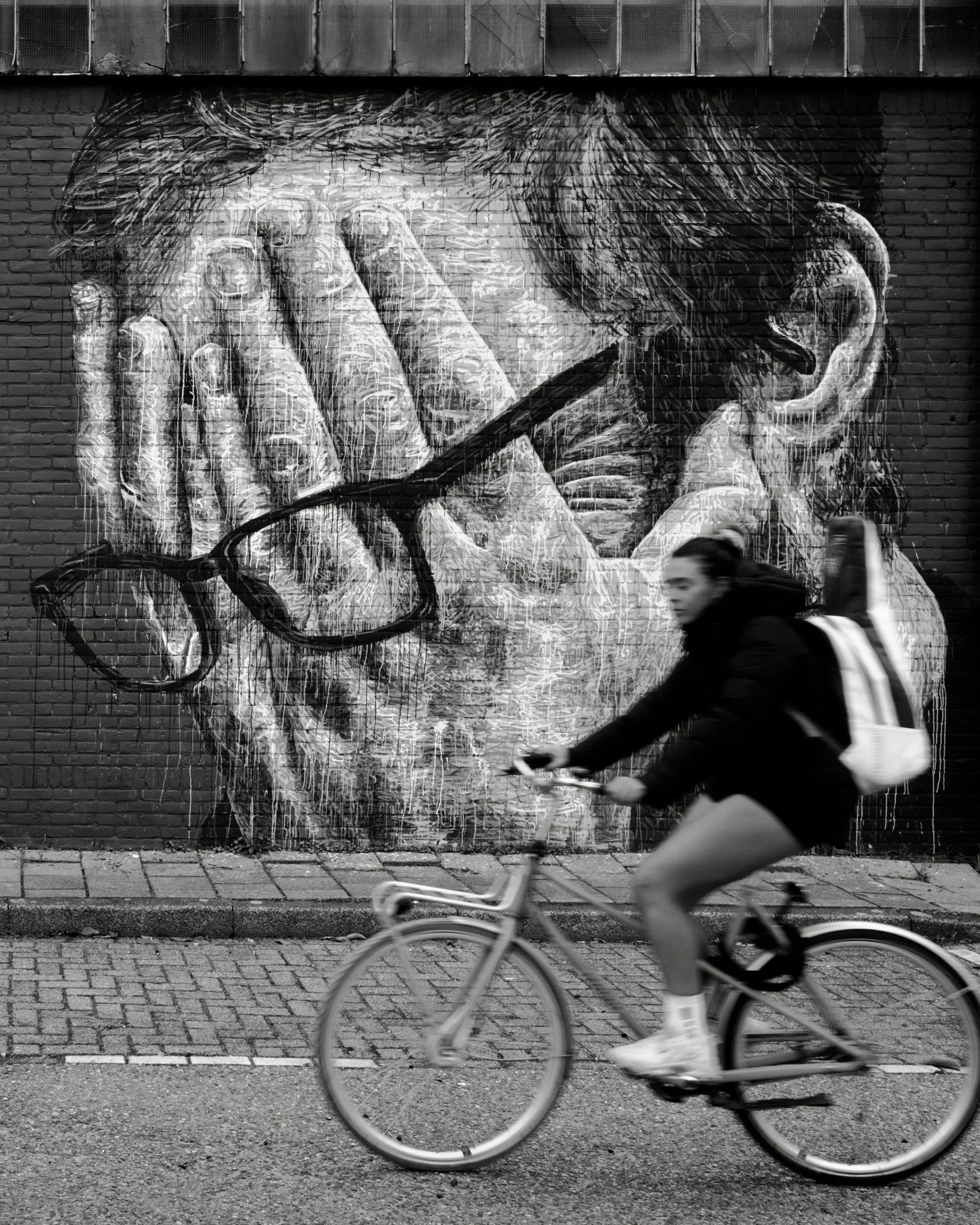
Question: How do people living in Amsterdam relate to its art?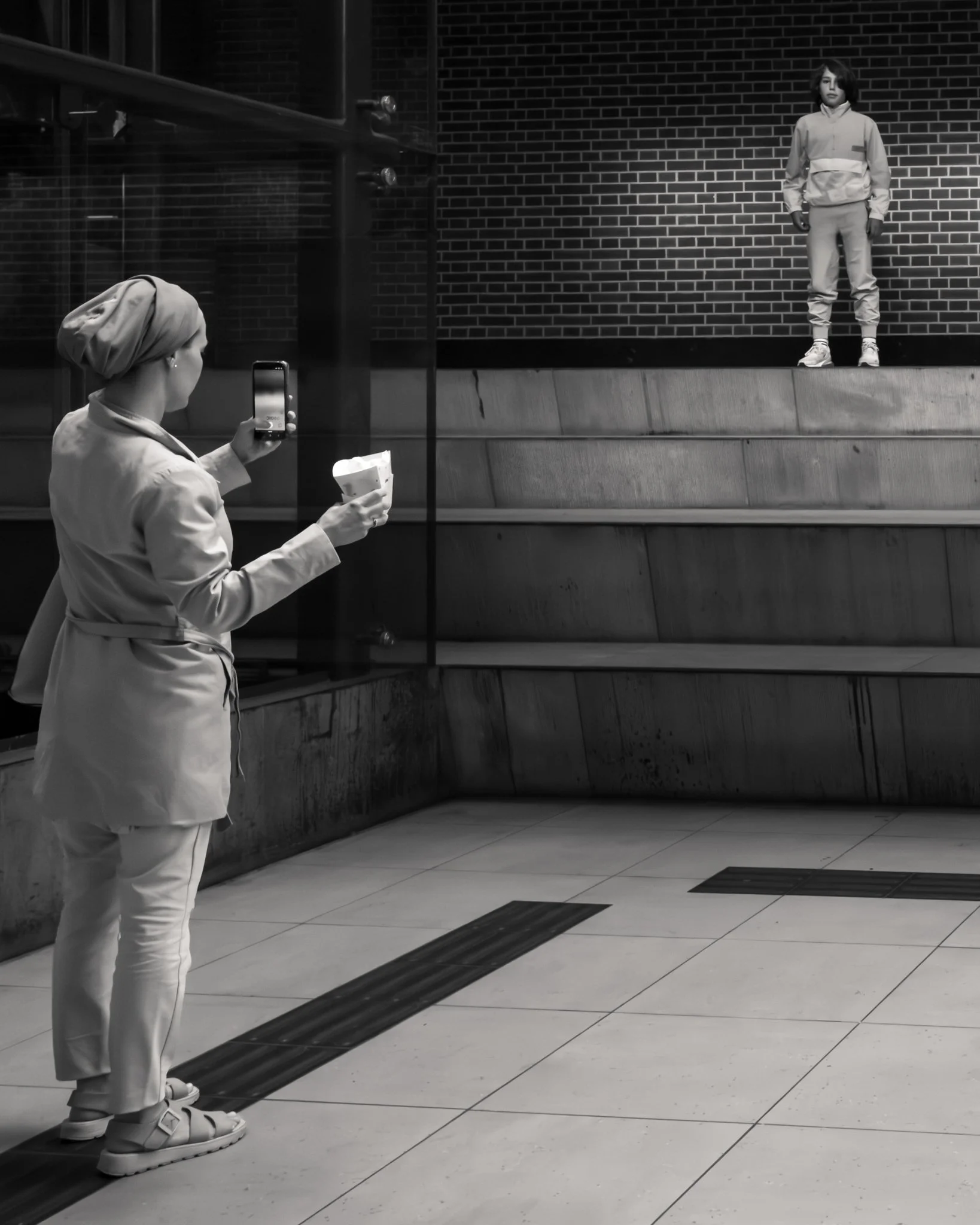
Question: How does technology influence interactions in a medieval city?Every frame you shoot becomes an answer, an argument, or an interesting contradiction to your original question.
3. Edit With Narrative Intent
When you return to your desk, the editing process transforms. You aren’t judging whether individual frames are sharp or pretty; you are looking at whether they speak to each other.
Cohesive visual evidence naturally forms a photo essay, a cohesive gallery set, or a zine. Individual images stop acting like isolated lottery tickets and start functioning like chapters in a deliberate visual dialogue.
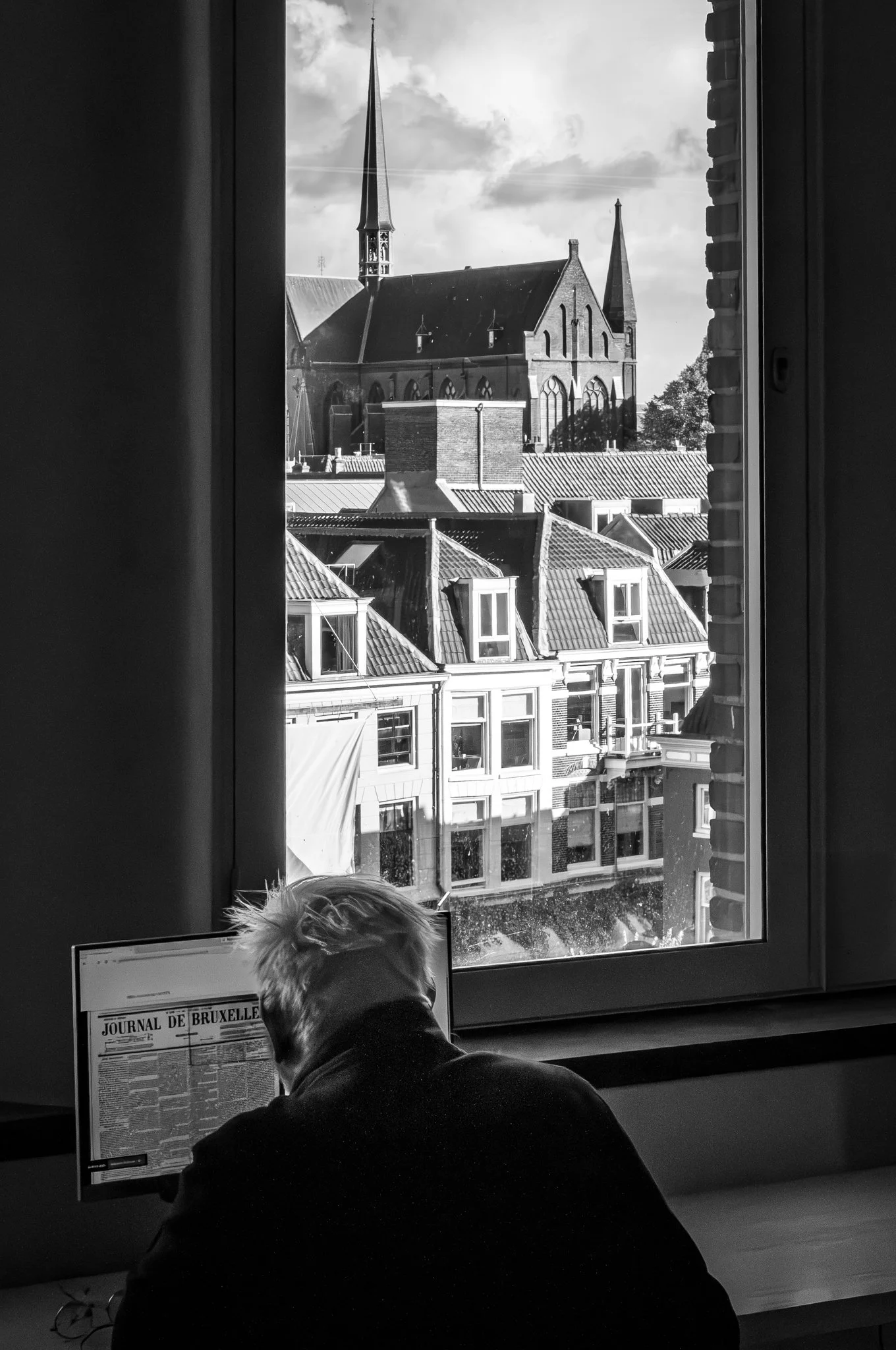
Question: How do the modern and ancient intersect in Utrecht?