The Honest Frame: Why Is Black and White Making a Comeback?
It is usually the rain that does it. You are standing under a stone archway near the Brouwersgracht, watching the city turn into a series of overlapping grays. The red of the bricks becomes muted, the green of the canal water turns heavy and dark, and suddenly, the "pretty" version of Amsterdam disappears. Most people put their cameras away when the color dies. They think the show is over.
But for me, that is usually when the real work begins.
We are currently living through a visual sensory overload. Every time we open a screen, we are hit with hyper-saturated landscapes and neon-drenched street scenes, all polished with the same popular presets. It is loud, and it is exhausting. I think the reason so many of us are returning to black and white photography—whether by dusting off an old Nikon film camera or switching our digital sensors to monochrome—isn't just about nostalgia. It is a quiet act of rebellion. It is a way to stop shouting and start whispering.
The Crutch of Color
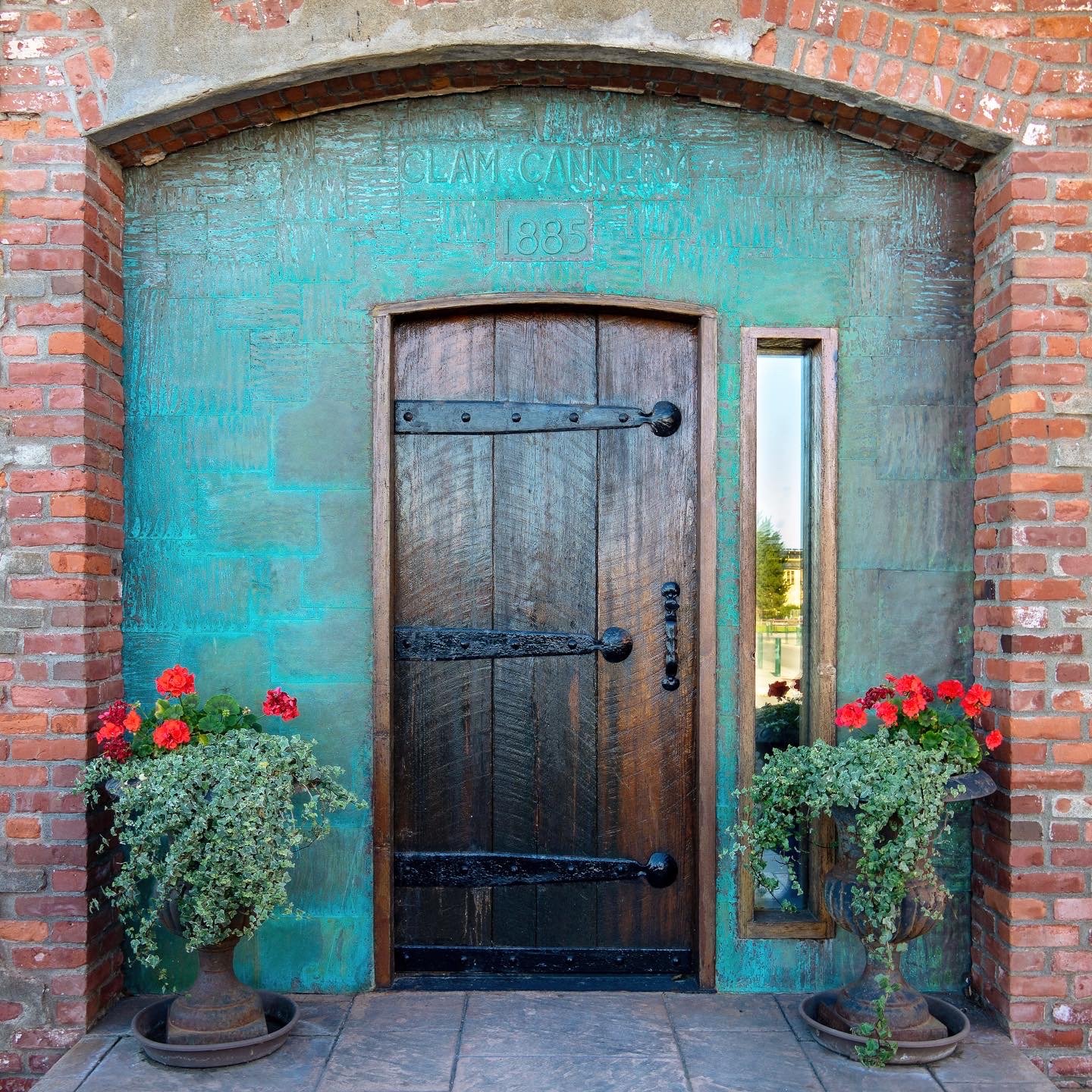
Here my eye was reacting to the color contrast. It could work as a postcard, but is it a good image?
Color is often a beautiful distraction. It can be a coat of paint that hides a weak story. I’ve found that when I’m struggling with a composition, I’ll often rely on a bright red door or a vibrant sunset to "save" the photo. But if you take that color away, you are left with the bones of the image. You are forced to look at the geometry, the light, and the actual relationship between the subjects in the frame. Sometimes, like with the above image, it turns out those “bones” aren’t really there.
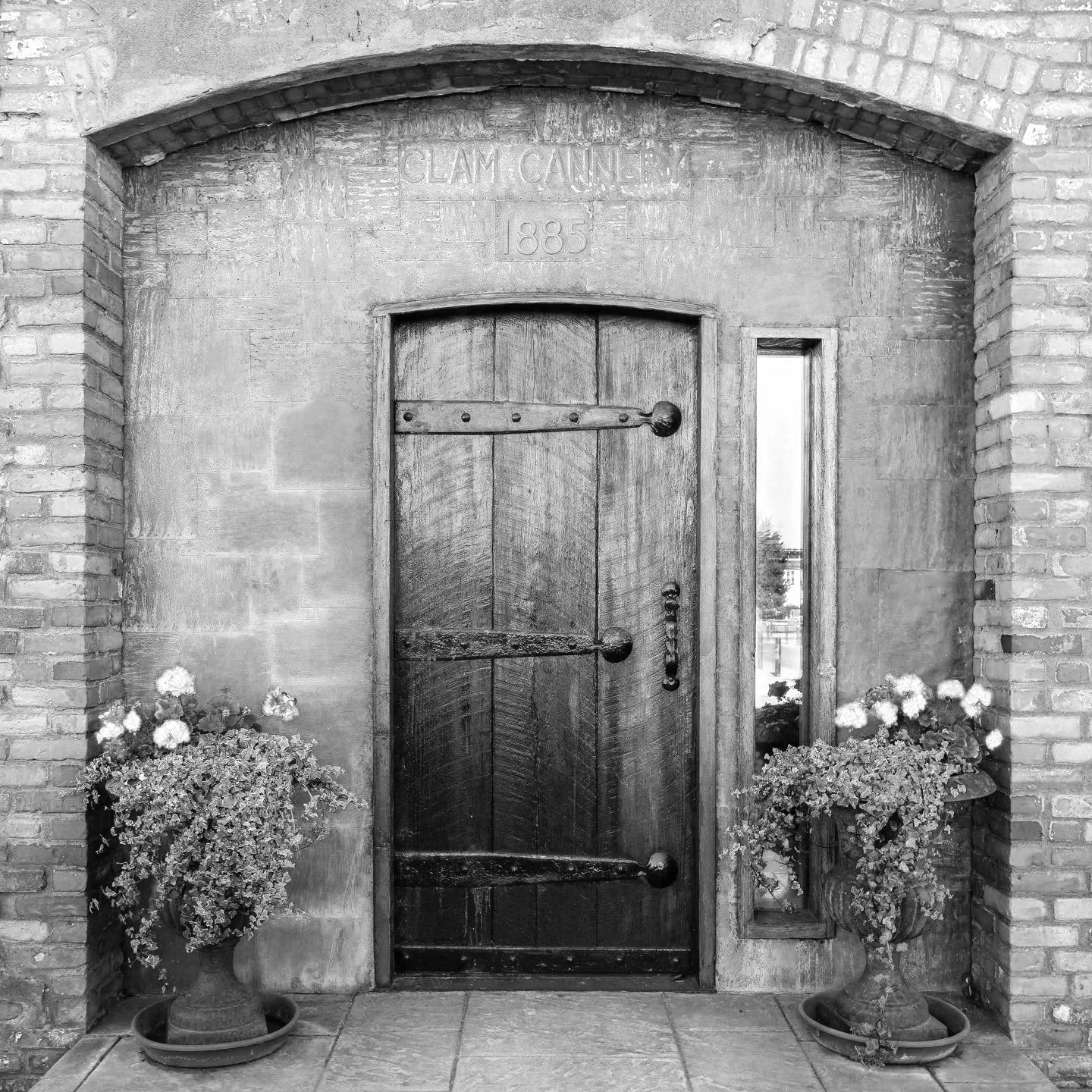
Without color, there’s not really much to the photo as framed.
When you remove the color, you remove the easy wins. You can no longer rely on red flowers against a teal door, or white clouds on a blue sky to make a landscape interesting. Instead, you have to find the rhythm in the clouds. You have to look at how the light hits the curve of a bridge or how a shadow stretches across a cobblestone street. It is a process of distillation. If an image doesn't work in black and white, it probably lacks structure and strong composition, and probably wasn't a very good image to begin with.
Searching for the Soul
There is an old saying in photojournalism that when you photograph people in color, you photograph their clothes, but when you photograph them in black and white, you photograph their souls. While that might sound a bit dramatic, there is a fundamental truth in it. Color tells us about the time of day, the season, or the fashion of the era. It tethers the image to a specific "fact" of the moment.
Black and white, however, feels like it exists outside of time. It moves the focus from the surface to the expression. It allows the viewer to feel the dampness of the air or the weight of a person’s posture without being distracted by the hue of their sweater. It strips away the "what" and lets us focus on the "who" and the "why."
Training the Eye to See Tones
One of the biggest hurdles I see with the clients I mentor is the habit of "fixing it in post." They take a color photo and then click a black and white filter later, hoping it adds some instant mood. It rarely works. To truly master monochrome, you have to learn to see in tones before you ever press the shutter.
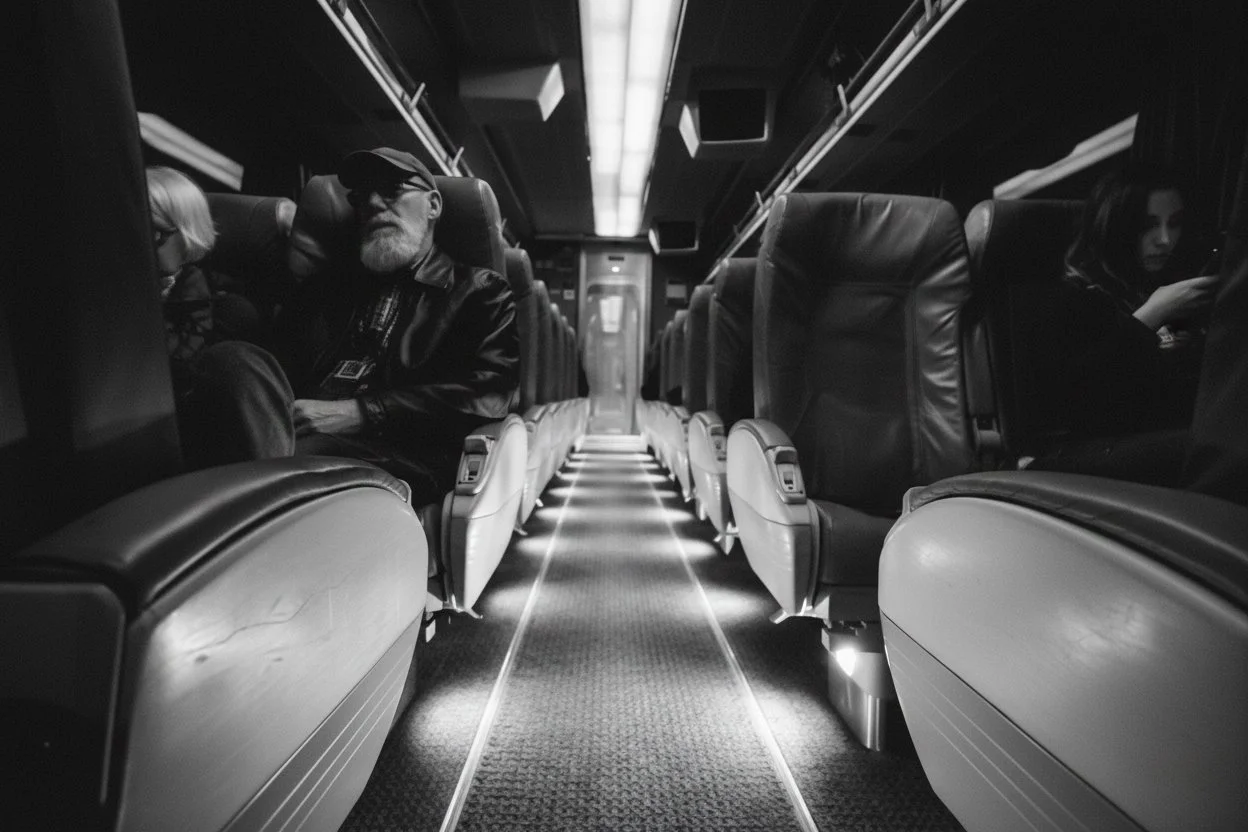
I often tell people to switch their digital camera’s viewfinder to the monochrome setting while they shoot. It feels like a superpower. Suddenly, you aren't looking for "pretty" things anymore; you are looking for contrast. You start to notice how a sliver of light on a dark canal house creates a graphic shape. You see the world as a map of highlights and shadows. You start to understand that "gray" isn't just one thing—it is a thousand different levels of depth and atmosphere. It’s one of the reasons I own a camera that only takes black and white images. The limitation forces you to stop looking and focus on what you are actually seeing.
Moving Past the Ordinary
The beauty of this approach is that it makes the "ordinary" world fascinating again. You don't need a spectacular sunset or a landmark monument to make a great photograph. Some of my favorite images from the last year were taken just a few blocks from my home..
Black and white forces you to work harder, and that effort makes you a better artist. It demands intention. It asks you to be brutal with what you include and what you leave out. It turns the act of taking a picture into the act of creating a statement.
This is exactly why I prioritize these elements in my private mentorships. Whether it’s 90 minutes, or a whole day, we won’t just walk around looking for the famous views. We look for the "bones" of the city. We practice seeing the world as a series of tones and shapes, learning to trust our eyes over our gear. Whether we are using a Leica or a simple sketchbook, the goal is the same: to find the truth of the scene by stripping away the noise.
The next time you’re out with your camera and the light feels "boring" or the colors feel flat, don’t head home. Switch your brain to monochrome. Look for the shadows. Look for the textures. You might find that the story was there all along, just waiting for the distractions to fade away.