
Field Notes:
The Art of the Intentional Frame
A Journal of Discovery in Ink and Light
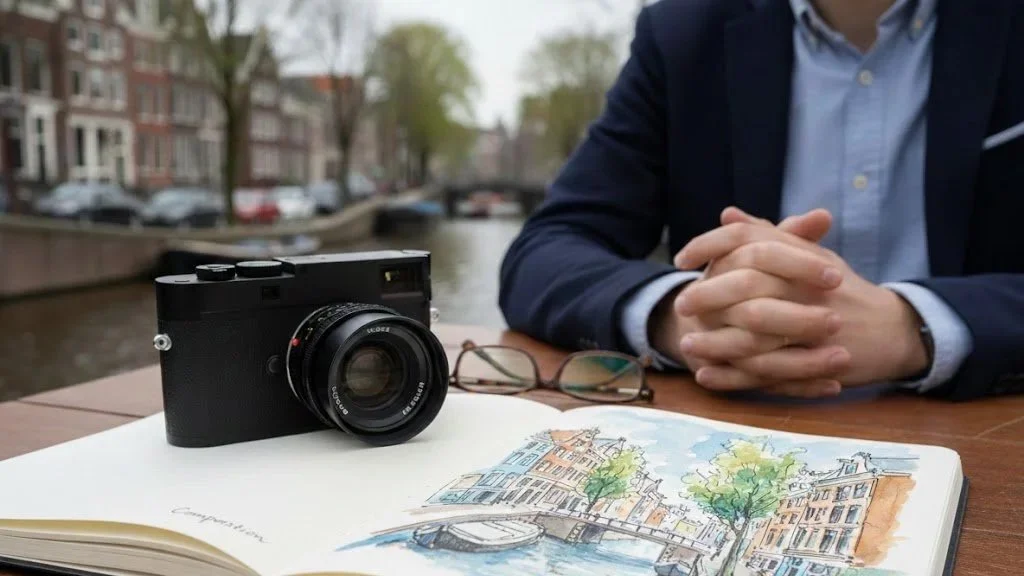
Field Notes is a record of the transition from reactive to intentional artist. It is a collection of studies from the edge of a canal and the corner of a street—documenting that quiet second where the geometry of a bridge meets the golden light of a Dutch afternoon.
Whether I am holding a Leica or a brush, the goal is the same: to strip away the noise of the world and find the story that matters. This is where I share the “insider’s” or professional “secrets” of observation—the subtle shift in perspective that turns a cluttered snapshot into a permanent legacy.
If you have ever felt the frustration of a frame that feels too busy or a sketch that feels too flat, consider this your map. These entries are an invitation to slow down, to notice the hidden architecture of the world, and to finally capture the life you came to find.
Composing for Structure v. Relationships
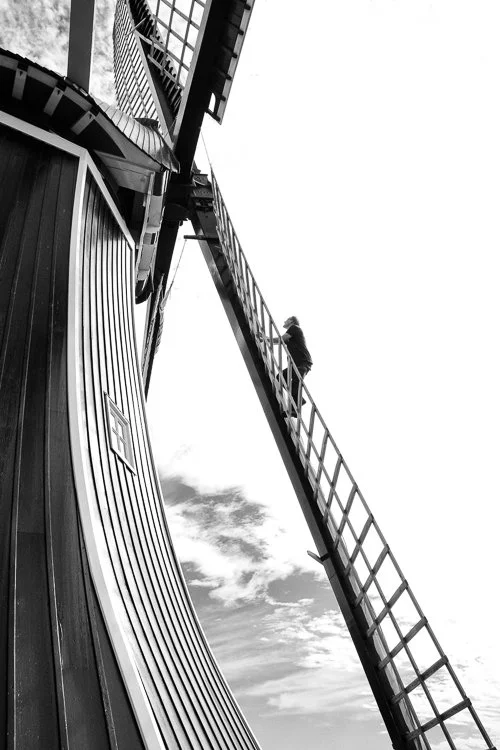
Dynamic composition is not an abstract trick or visual gimmick; it is the practical decision of how lines, scale, and spatial distance guide a viewer’s eye through the frame. When a scene feels flat, visual energy can be built either through structural lines—using low angles, wide-angle distortion, and steep diagonals to force geometric momentum—or through relational sightlines, placing subjects across different heights and negative space to establish an active line of connection. By shifting off eye-level or framing the open space between isolated subjects, you replace passive snapshots with a deliberate, repeatable process for reading the street.
The Creative Compass: Three Steps to Finding Your Visual Voice
The Progress Cycle is a repeatable field protocol designed to harmonize the eye, the hand, and the tools at hand. By integrating the "Sketching Bridge" with intentional study, this three-phase system replaces reactive snapshots with structured visual authorship.
The Brouwersgracht Intersection: A Comparative Study in Lens and Pen
A comparative study of the Brouwersgracht intersection at the corner of Prinsengracht. Discover the tactical positioning required to capture 17th-century bridge perspectives and complex maritime light through both optical and analog disciplines.
The Fude Nib and the Indelible Line
Analog Tradecraft in Urban Sketching refers to the use of specialized drawing instruments—such as fude-nib fountain pens and pigment-based waterproof inks—to document architectural environments through a process of irreversible line-making and tonal layering.
The Digital Rangefinder Protocol: Mastering the Leica M11 Monochrom in Urban Environments
The Digital Rangefinder Protocol is a systematic approach that leverages the high-luminance sensitivity of monochrome sensors and the manual precision of rangefinder optics to capture high-grit urban imagery with maximum intentionality and zero electronic interference.
Don't Upgrade Your Gear, Upgrade Your Vision.
That rush of buying new gear feels like solving the problem, but here’s the truth: Your lens is not the problem; your approach is. Buying a new tool often only widens your 'Creative Gap,' adding layers of technical friction when your energy should be spent on intentional vision. The only upgrade that truly matters is the one you install in your own mind—the 15-second discipline of the 'Necessary Pause' that turns a passive tourist into an active creator. Stop searching for the right tool and start investing in the right process.
The Reset: Fighting the "Reactive Ghost" and the Trap of Technical Debt
Amsterdam has been here for 750 years. It doesn't need you to sprint; it needs you to see. When you stop obsessing over "perfect" light and start building a stage for your subjects, the city begins to pose for you. This is how you stop catching snapshots and start authoring the archive.
Henri Cartier-Bression Wasn’t Lucky: Author the Frame Before the Decisive Moment
There is a persistent myth that Henri Cartier-Bresson wandered around getting lucky. As the patron saint of the Decisive Moment, he is often portrayed as someone who simply captured perfectly composed images at just the right time. This is reactive photography at its supposed finest. However, his contact sheets tell a different story. He found frames. He anticipated the moment. He was ready when the world finally arrived.
You return home with a hard drive full of sharp photos that feel empty. Technically, they are flawless. Emotionally, they are flat. This is the Creative Gap. It is the distance between the visceral energy you felt in the street and the static data you brought home. Most photographers try to bridge this gap with faster autofocus or higher burst rates. They are solving the wrong problem. The problem isn't your gear. It is your timing. You are reacting to moments that have already passed when you could be anticipating and authoring.
Bad Weather = Better Art.
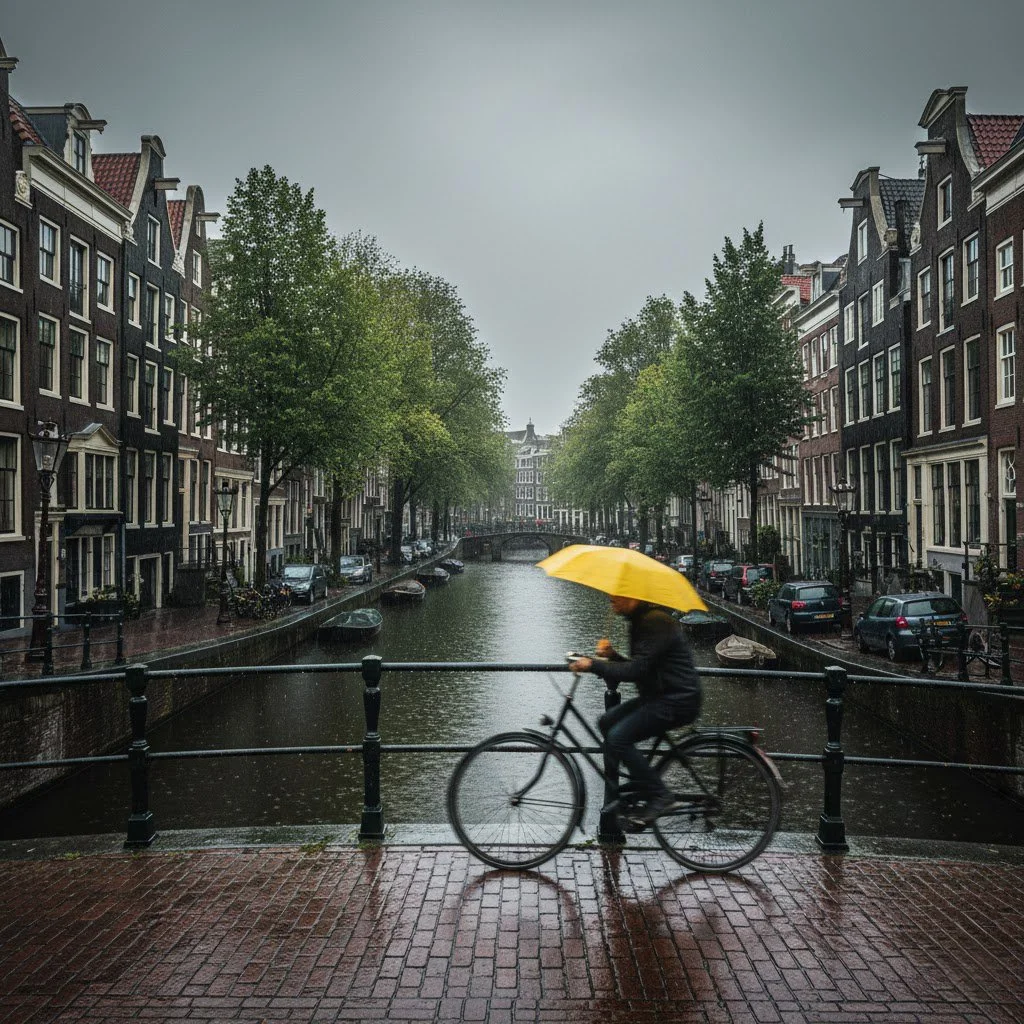
Bad weather doesn’t mean bad art. Embrace the weather you have to tell the story of your experience.
Strategic Coverage and the 9-Shot Narrative Architecture
An editor doesn’t want fifty variations of a wide shot; they want a world. I learned early in my career that volume is not a substitute for coverage. If you want to move from snapshots to visual authorship, you have to stop 'taking pictures' and start storyboarding in real-time. The 9 Shots Rule is the tactical tradecraft I use to ensure a narrative is complete, cohesive, and intentional before I ever leave the field.
Beyond the Postcard: The Art of the Slow Reveal
Most travelers treat a new city like a high-speed highlight reel—collecting 'proof of presence' rather than 'depth of understanding.' But the images that actually bring back the weight of the humid air or the rhythm of the streets don’t come from chasing landmarks; they come from the discipline of the slow reveal. This is the four-step tradecraft of moving from a tourist who takes a picture to an artist who makes an observation. Stop recording the 'thing' and start recording your own attention.
Manual Mode + Auto ISO
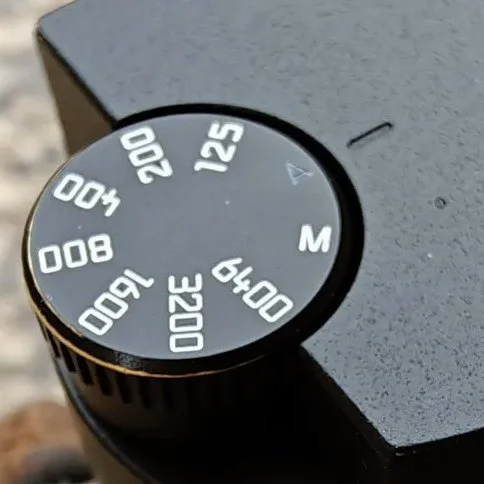
The 'Exposure Triangle' is a relic that can slow you down in the heat of the street. In this field record, I break down the 'Sovereign Protocol'—marrying Manual precision with Auto ISO speed. Learn why ISO is just background math and how to use the exposure compensation dial as your ultimate creative override.
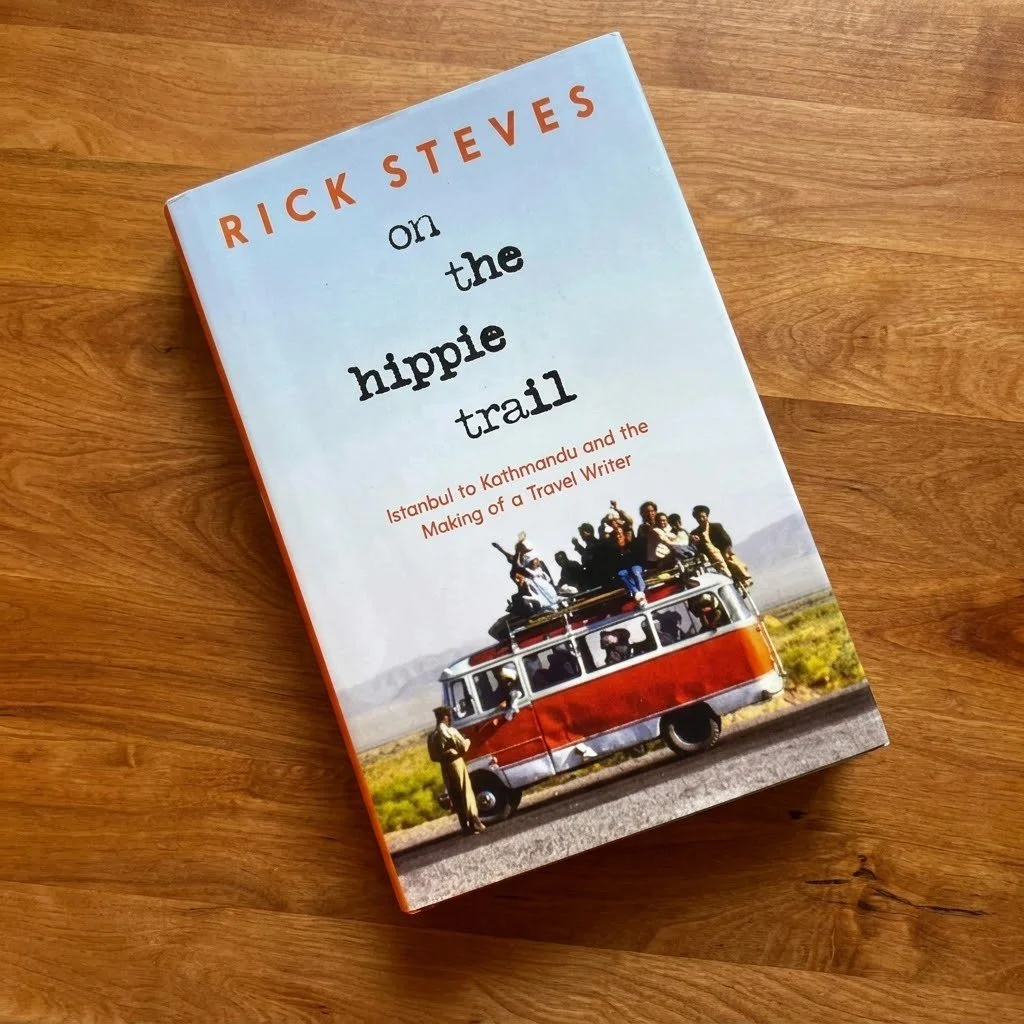
The Hippie & The Journalist
What does a 1970s rucksack have in common with a Leica M11? In this reflection on Rick Steves’ On the Hippie Trail, I bridge the 'Grit' of global photojournalism with the 'Romance' of the traveler. Explore how survival becomes a diagnostic tool, and why the most powerful records are the ones that smell like the place they were written.
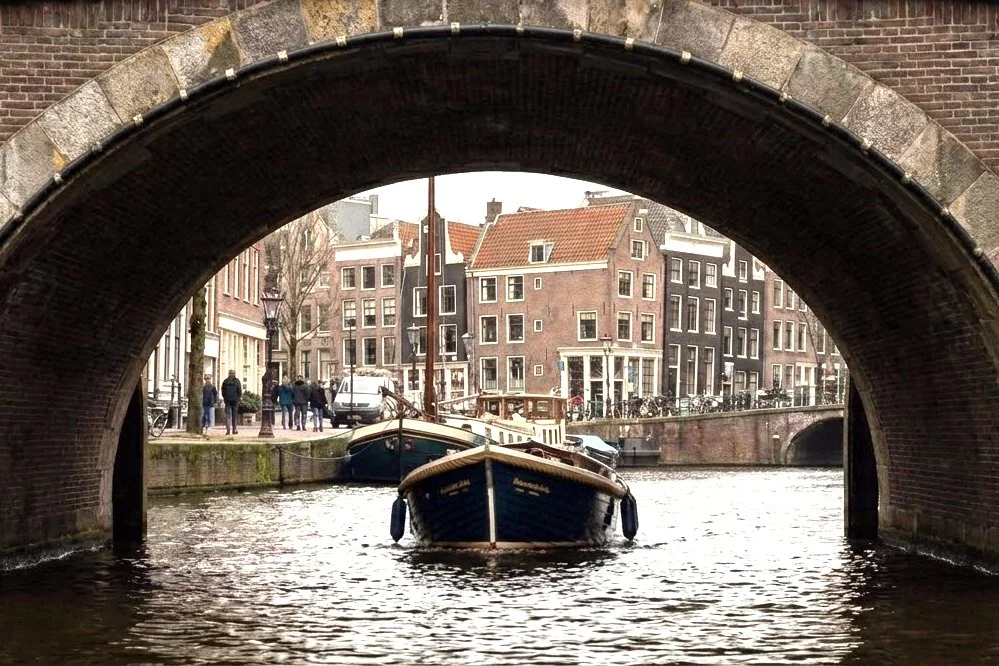
The Rhythm of Recognition:
Mastering the Photography OODA Loop
Most photographers treat the "Decisive Moment" like a lightning strike—a rare, external event they hope to catch. In the high-stakes friction of global photojournalism, I learned that waiting for luck is a failing strategy. Borrowing a framework from fighter pilots, I deconstruct how professional seeing is actually a high-speed diagnostic system. Discover why your "instinct" is simply internalized structure, and how to move from reacting to the chaos to authoring the stage.
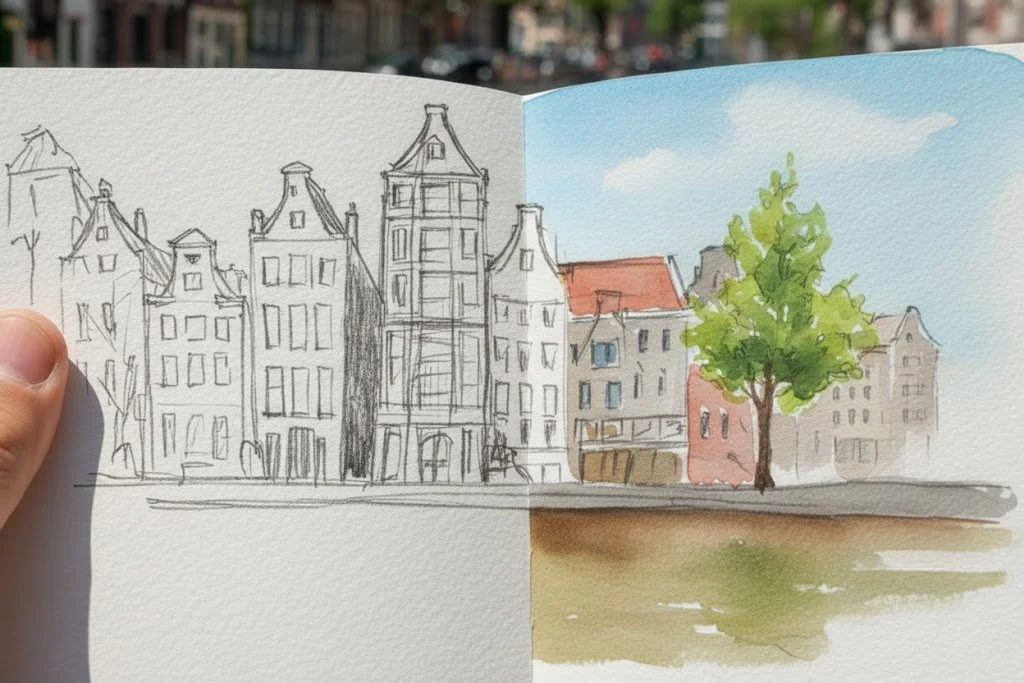
The Urban Sketchbook: Intentional Color in the Art of Reduction
If The Art of Reduction is one of my core compositional philosophies, then urban sketching provides the perfect arena to practice it with both line and color. Where my cameras include everything, and I have to selectively compose, change settings, or edit on a computer to eliminate or reduce distractions, the sketchbook starts with a blank page and requires me to add things to it. Because sketches are meant to be quick and focused, and it defeats the purpose of a painting to make it look like a photograph, it forces me to reduce a complex scene to its essential elements, lines and planes of color.
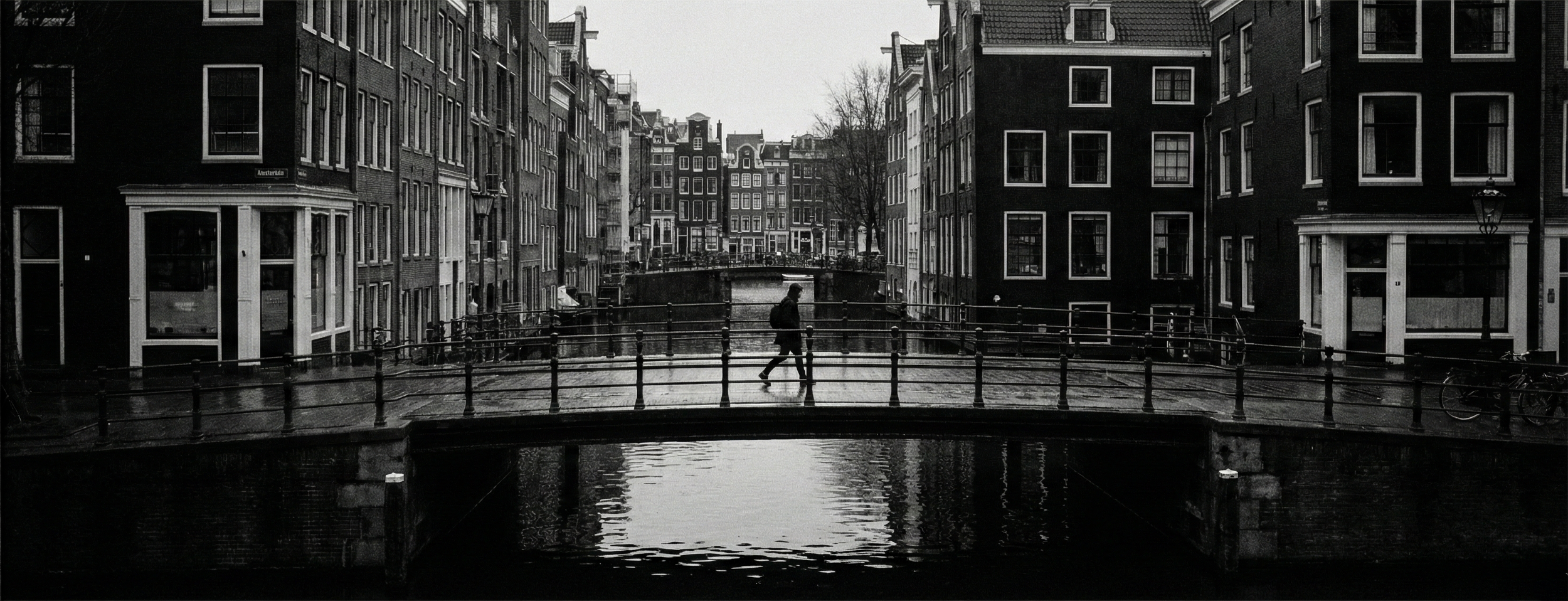
Stop Hunting, Start Authoring
Most photographers treat the city as a playground for luck. I treat it as a deliberate stage. Explore why your "instinct" is actually the speed at which you apply structural discipline, and how to reset your practice for intentionality over chance.
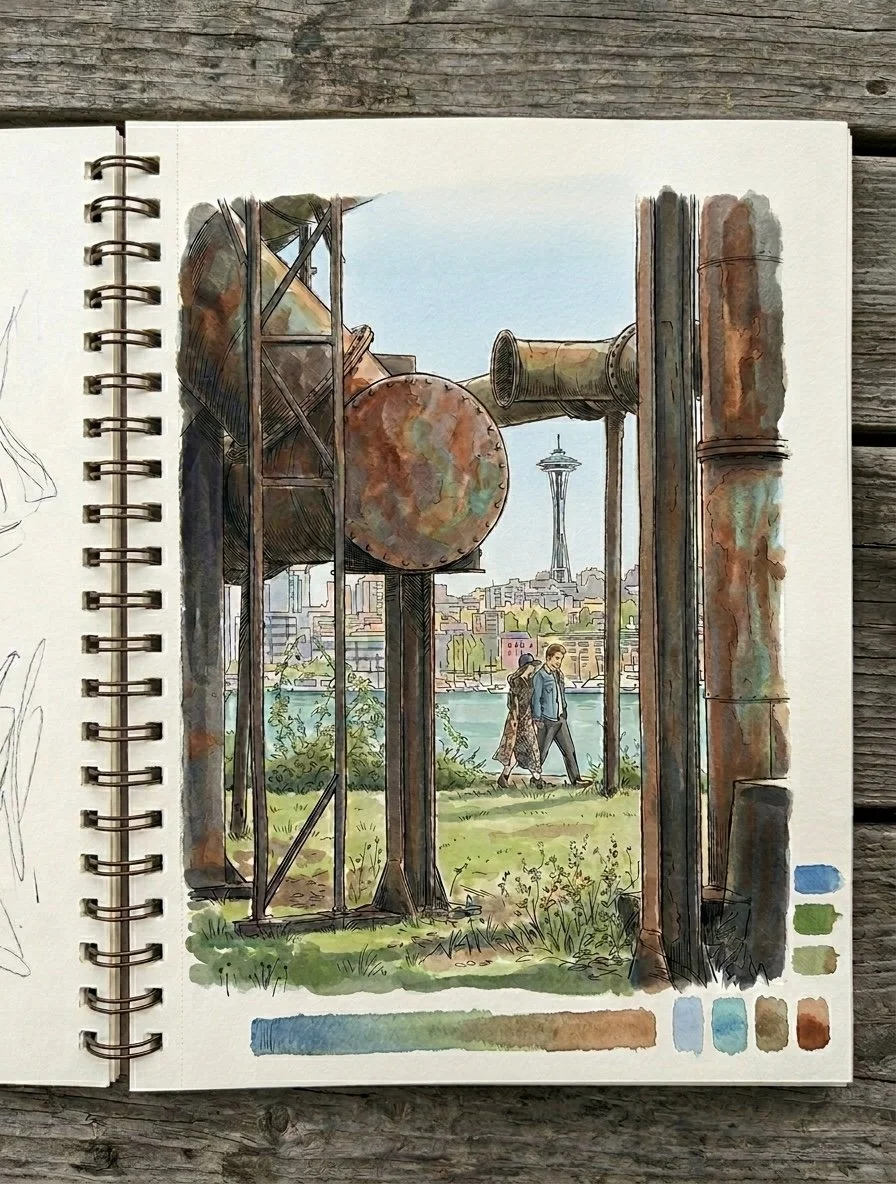
Beyond the Snapshot: Why Sketching Succeeds When Photography Fails
Photography is a subtractive process—we work to filter out the noise of the world. Sketching, however, is additive. Explore a study from Seattle’s Gasworks Park on why the most "truthful" record of a scene often requires putting the camera down. Learn to move from reacting to the "literal" light to authoring an intentional, soulful frame through the power of Intentional Omission.
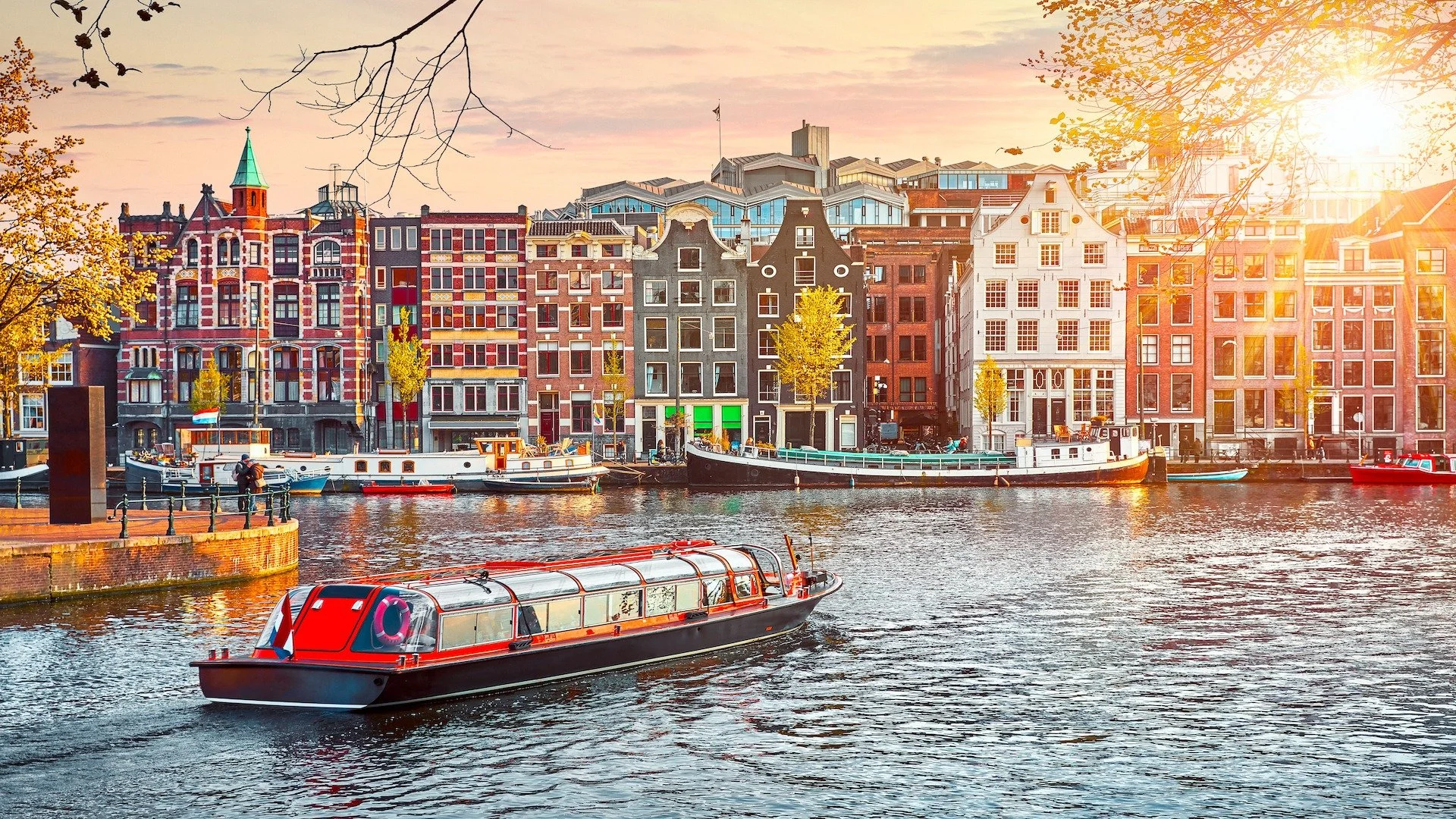
The Gap: Why Your Vision Outruns Your Skill
Every trip is a complex tapestry of light, activity, and feeling. Yet, it’s easy to return home with images that are flat, one-dimensional, and fail to convey the richness of the moment. You've collected a postcard, but you haven't captured an authentic memory artifact. The secret to moving beyond the generic snapshot is a technique called layered composition.
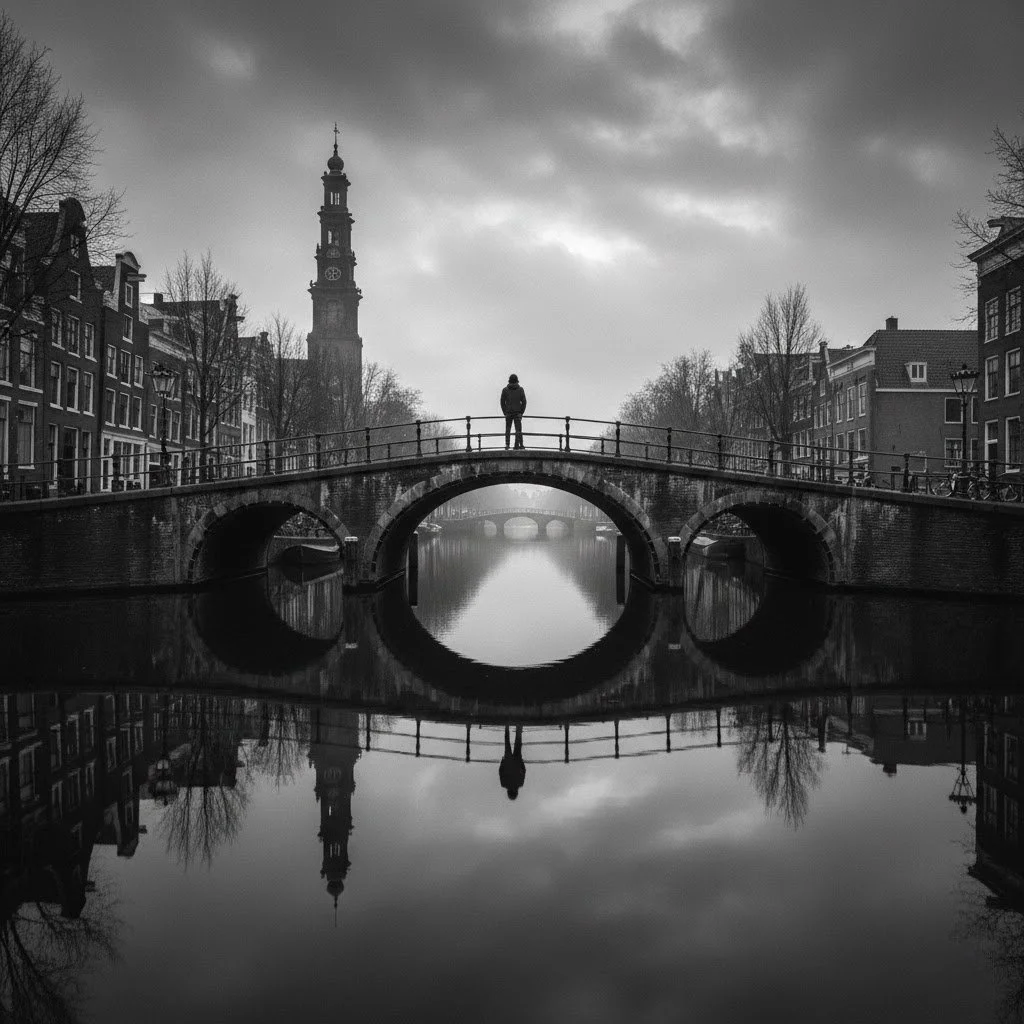
The Art of Reduction: Combatting Choice Paralysis
To overcome the modern creative block—the Paralysis of Choice—you must first cultivate the Necessary Pause and commit to the Art of Reduction. This means moving beyond the frantic search for postcard moments and training your eye to find the powerful compositions hidden within the ordinary. By forcing yourself to focus solely on the elements of light, shape, and shadow, you transform the familiar into the sublime, ensuring your photographs are not just fleeting snapshots, but authentic evidence of your unique artistic vision.
Seeing Amsterdam Clearly: A Field Note on Sketching, Photography, and the Creative Gap
Feeling your travel photos or art fall short? Good. Ira Glass calls it “The Creative Gap”, I say it means your vision is evolving!
Learn why disappointment is your key to mastery in this article.